collaborative post | Your first main bedroom needs to support sleep, getting dressed and everyday organization without stretching your budget too far. That can feel like a lot to ask from one room, especially if you’re starting with an empty space.
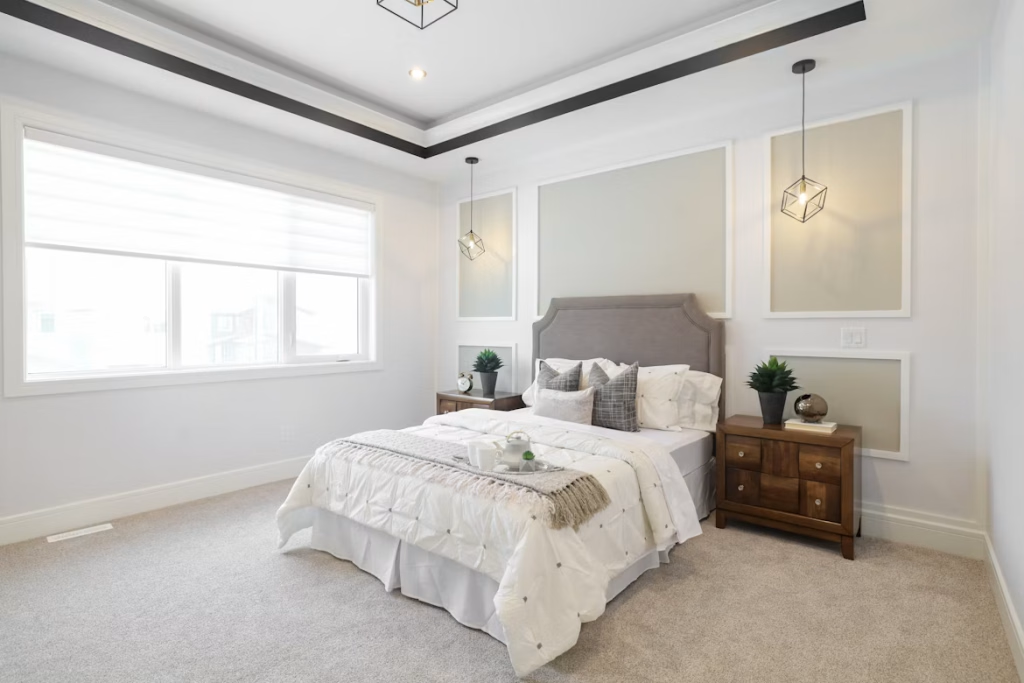
Image Credit: Unsplash
A simple order of priorities makes the process much easier. Begin with the pieces that affect comfort and function, then add decorative details once you’ve lived with the room long enough to understand what it needs.
Prioritize Your Core Essentials First
Start with a bed, bedside surface and window covering. These three essentials give you somewhere comfortable to sleep, a place for everyday items and control over privacy and morning light. A practical bedroom essentials guide can help you distinguish genuinely useful pieces from decorative extras.
Measure the room before visiting a bed store, including the width of doorways and any tight corners along the delivery route. Mark the bed’s dimensions on the floor with painter’s tape. You should still be able to open doors, reach outlets and walk comfortably around at least two sides.
Invest in Long-Term Sleep Support
Set aside a meaningful portion of your budget for the mattress since you’ll use it every night. Firmness labels aren’t standardized across manufacturers, so try different options and focus on how well your spine feels supported in your usual sleeping position. Couples should test a mattress together because body weight and movement can change how it performs.
Your surroundings matter too. Stanford Lifestyle Medicine’s guidance on bedroom changes for sleep covers factors such as light, noise and temperature. Use breathable bedding, block disruptive light and keep the room comfortably cool. Check the mattress care instructions as well since some models need regular rotation while others don’t.
Layer Lighting and Soft Textures
One overhead fixture rarely handles every bedroom task well. Build a flexible scheme with general lighting, bedside lamps and a focused light near a mirror or dressing table. Warm bulbs create a restful atmosphere in the evening, while matching lamps on dimmer settings can provide enough light for reading without flooding the entire room.
Curtains, a rug and upholstered details will soften hard surfaces and reduce echo. You don’t need to buy every textile at once. Start with bedding in two or three compatible colors, then bring in a throw or cushions after seeing how the room feels. These simple bedroom upgrades offer more achievable ideas for creating a calmer sleep space.
Keep Practical Storage in Mind
Choose storage according to what you own, not what looks impressive in a showroom. Someone who hangs most clothes may benefit from a taller wardrobe, while folded clothing calls for deeper drawers. Before shopping, group your belongings by type and measure the longest hanging items so rails and shelves sit at useful heights.
Use overlooked spaces carefully. Under-bed drawers can hold spare bedding or seasonal clothing, while a narrow bedside table with one drawer keeps chargers and medication contained. Leave some storage empty if possible. A drawer packed to the top on day one will become frustrating quickly, but a little spare capacity helps the room stay organized as your needs change.
Give yourself permission to finish the room slowly. Once the bed and daily essentials are in place, spend a few weeks noticing where clothes collect, which corners feel dark and what you reach for at night. Those small observations will guide the remaining purchases far better than filling every empty space immediately.

